


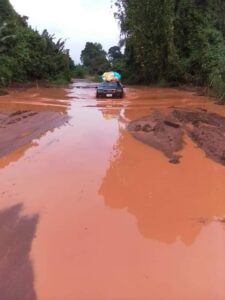
As political drums begin to beat toward 2027, a familiar ritual is unfolding across Delta North: posters are going up, alliances are forming, and the same political actors who have presided over years of neglect are rebranding themselves as “servants of the people.” But beneath the noise lies an inconvenient truth, one that communities from Abavo to Ibusa, from Ebu to Adonte, are no longer willing to ignore. This is not just another election cycle. It is a moment of reckoning.
For too long, the people of Delta North have been fed a steady diet of promises, roads that never materialize, hospitals that exist only on paper, and development projects that vanish after groundbreaking ceremonies. The question now is brutally simple: what exactly have these elected officials done with the power entrusted to them? Especially when it is recalled that for eight solid years, a Delta Northerner was Governor and even in the present also, a Delta Northerner is in charge of rural roads in the state executive council.
A LANDSCAPE OF NEGLECT
Across the senatorial district, the evidence of failure is not hidden, it is glaring, physical, and deeply humiliating.
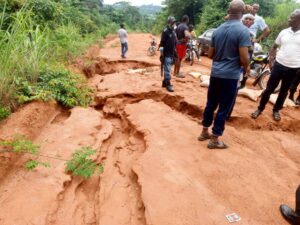
In Ebu, an agrarian community in Oshimili North, the story is one of abandonment stretching over three decades. No functional roads. No viable access to markets. A once-strategic link road, the Ebu–Ukala–Ezi corridor, now reduced to a death trap of erosion and overgrowth. Farmers cannot move produce. Students trek through hardship. A health centre exists, but is practically unreachable. Their question cuts deep: “What offence has Ebu committed?”
In Adonte, the frustration has boiled over into formal protest. The community’s plea is not for luxury, but for logic, a simple, accessible road linking them to their local government headquarters. Instead, they are handed bureaucratic detours and questionable project priorities that defy economic sense. The result? Declining education, a failing health system, and avoidable deaths.
In Abavo, the consequences are even more severe. A collapsed road network has not only strangled economic activity, killing the once-thriving Oyoko market, but has also opened the door to insecurity. Farmers are afraid to farm. Residents are afraid to move. A community is being slowly suffocated by a combination of neglect and fear.
And in Ibusa and Achalla, the outrage is unmistakable. A critical road project, one that should connect communities within the state capital territory, is allegedly being truncated, leaving citizens to wonder if they are second-class stakeholders in their own state. Their protest to Government House was not social theatre; it was a cry against systemic disregard.
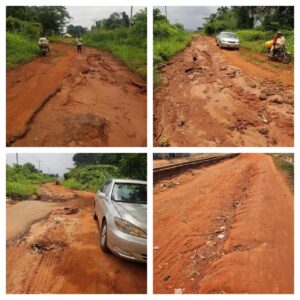
When communities repeatedly march to Government House, write open letters, and stage peaceful protests, it is not democracy in action, it is democracy in distress. These are not isolated complaints. They form a pattern, a damning indictment of representation that has become transactional, distant, and, in many cases, predatory.
The same politicians who return every four years with slogans and handshakes have presided over:
- Collapsed rural infrastructure
- Abandoned road projects
- Failing primary healthcare systems
- Dying local economies
- Rising insecurity in farming communities
Yet, paradoxically, these officials grow in wealth, influence, and political relevance.
THE GREAT DISCONNECT
This is the heart of the crisis: a widening gulf between the rulers and the ruled.
Elected officials in Delta North have mastered the art of political survival without governance., victories are celebrated, but governance is treated as optional. Constituency projects are either invisible or insultingly inadequate. Oversight responsibilities are ignored. Accountability is nonexistent.
Democracy, in this context, has been reduced to a periodic endorsement of underperformance.
2027: A TEST, NOT A ROUTINE
As aspirants, both new and recycled, flood the political space, the people of Delta North must resist the temptation of sentiment, patronage, and empty rhetoric. This is no longer about party loyalty. It is about measurable impact.
Let every aspirant, especially incumbents, answer clearly:
- Which roads did you build or facilitate?
- Which communities did you connect?
- What healthcare systems did you strengthen?
- How did you improve livelihoods in rural areas?
- Where are the projects you promised?
If the answers are vague, defensive, or dressed in excuses, then the verdict is already clear.
THE BURDEN OF MEMORY
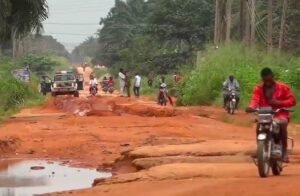
One of the greatest advantages politicians have relied on is public amnesia. Projects are promised, forgotten, and then re-promised under new slogans. But the communities of Delta North are beginning to remember, and their memory is fueled by lived suffering.
A road that has been impassable for 20 years cannot be explained away by campaign speeches.
A health centre without access is not development, it is deception.
A farming community cut off from markets is not underserved, it is abandoned.
A CALL FOR POLITICAL ACCOUNTABILITY
This is not an attack on individuals; it is an indictment of a broken political culture.
Delta North does not lack resources. It lacks responsible leadership.
The time has come for a radical shift from politics of entitlement to politics of performance. From symbolic representation to tangible results. From elite comfort to grassroots impact.
FINAL WORD
The people of Delta North are not asking for miracles. They are asking for roads they can drive on, schools that function, hospitals they can reach, and a sense that their votes actually matter. If those who have held power cannot point to these basic achievements, then they have no moral claim to seek re-election.
Come 2027, the ballot must become a weapon, not of anger, but of accountability. Because democracy without dividends is not democracy. It is deception.
As political drums begin to beat toward 2027, a familiar ritual is unfolding across Delta North: posters are going up, alliances are forming, and the same political actors who have presided over years of neglect are rebranding themselves as “servants of the people.” But beneath the noise lies an inconvenient truth, one that communities from Abavo to Ibusa, from Ebu to Adonte, are no longer willing to ignore.
This is not just another election cycle. It is a moment of reckoning. For too long, the people of Delta North have been fed a steady diet of promises, roads that never materialize, hospitals that exist only on paper, and development projects that vanish after groundbreaking ceremonies. The question now is brutally simple: what exactly have these elected officials done with the power entrusted to them?
A LANDSCAPE OF NEGLECT
Across the senatorial district, the evidence of failure is not hidden, it is glaring, physical, and deeply humiliating.
In Ebu, an agrarian community in Oshimili North, the story is one of abandonment stretching over three decades. No functional roads. No viable access to markets. A once-strategic link road, the Ebu–Ukala–Ezi corridor, now reduced to a death trap of erosion and overgrowth. Farmers cannot move produce. Students trek through hardship. A health centre exists, but is practically unreachable. Their question cuts deep: “What offence has Ebu committed?”
In Adonte, the frustration has boiled over into formal protest. The community’s plea is not for luxury, but for logic, a simple, accessible road linking them to their local government headquarters. Instead, they are handed bureaucratic detours and questionable project priorities that defy economic sense. The result? Declining education, a failing health system, and avoidable deaths.
In Abavo, the consequences are even more severe. A collapsed road network has not only strangled economic activity, killing the once-thriving Oyoko market, but has also opened the door to insecurity. Farmers are afraid to farm. Residents are afraid to move. A community is being slowly suffocated by a combination of neglect and fear.
And in Ibusa and Achalla, the outrage is unmistakable. A critical road project, one that should connect communities within the state capital territory, is allegedly being truncated, leaving citizens to wonder if they are second-class stakeholders in their own state. Their protest to Government House was not პოლიტიკური theatre; it was a cry against systemic disregard.
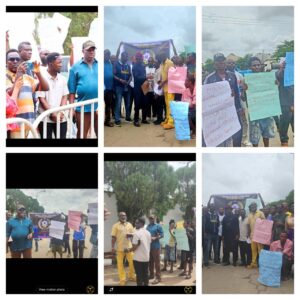
PROTESTS AS A LANGUAGE OF ABANDONMENT
When communities repeatedly march to Government House, write open letters, and stage peaceful protests, it is not democracy in action, it is democracy in distress. These are not isolated complaints. They form a pattern, a damning indictment of representation that has become transactional, distant, and, in many cases, predatory.
The same politicians who return every four years with slogans and handshakes have presided over:
- Collapsed rural infrastructure
- Abandoned road projects
- Failing primary healthcare systems
- Dying local economies
- Rising insecurity in farming communities
Yet, paradoxically, these officials grow in wealth, influence, and political relevance.
THE GREAT DISCONNECT
This is the heart of the crisis: a widening gulf between the rulers and the ruled. Elected officials in Delta North have mastered the art of political survival without governance. Victories are celebrated, but governance is treated as optional. Constituency projects are either invisible or insultingly inadequate. Oversight responsibilities are ignored. Accountability is nonexistent. Democracy, in this context, has been reduced to a periodic endorsement of underperformance.
2027: A TEST, NOT A ROUTINE
As aspirants, both new and recycled, flood the political space, the people of Delta North must resist the temptation of sentiment, patronage, and empty rhetoric. This is no longer about party loyalty. It is about measurable impact.
Let every aspirant, especially incumbents, answer clearly:
- Which roads did you build or facilitate?
- Which communities did you connect?
- What healthcare systems did you strengthen?
- How did you improve livelihoods in rural areas?
- Where are the projects you promised?
If the answers are vague, defensive, or dressed in excuses, then the verdict is already clear.
THE BURDEN OF MEMORY
One of the greatest advantages politicians have relied on is public amnesia. Projects are promised, forgotten, and then re-promised under new slogans. But the communities of Delta North are beginning to remember and their memory is fueled by lived suffering.
A road that has been impassable for 20 years cannot be explained away by campaign speeches. A health centre without access is not development, it is deception. A farming community cut off from markets is not underserved, it is abandoned.
A CALL FOR POLITICAL ACCOUNTABILITY
This is not an attack on individuals; it is an indictment of a broken political culture. Delta North does not lack resources. It lacks responsible leadership.
The time has come for a radical shift, from politics of entitlement to politics of performance. From symbolic representation to tangible results. From elite comfort to grassroots impact.
FINAL WORD
The people of Delta North are not asking for miracles. They are asking for roads they can drive on, schools that function, hospitals they can reach, and a sense that their votes actually matter. If those who have held power cannot point to these basic achievements, then they have no moral claim to seek re-election.
Come 2027, the ballot must become a weapon, not of anger, but of accountability. Because democracy without dividends is not democracy. It is deception.
Facebook Comments

GIPHY App Key not set. Please check settings