

By Aaron Ukodie
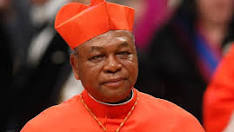
There is nothing wrong with what Cardinal John Onaiyekan said about the Tinubu administration. His criticism was neither unclerical nor inappropriate. On the contrary, it was consistent with the biblical and pastoral responsibility of a minister of God to speak truth to those in authority.
Indeed, remaining silent in the face of injustice, oppression, corruption, or policies that negatively affect the people may itself amount to a failure of pastoral and prophetic responsibility. Throughout the Bible, God’s servants were never expected to be silent when rulers departed from justice and righteousness.
The Old Testament prophets repeatedly confronted kings and national leaders. Nathan fearlessly rebuked King David over his adultery with Bathsheba and the murder of Uriah (2 Samuel 12:1–14). Elijah condemned King Ahab for orchestrating the murder of Naboth and seizing his vineyard (1 Kings 21:17–24). Isaiah denounced corrupt rulers who made unjust laws and deprived the poor of justice (Isaiah 10:1–2). Amos condemned those who oppressed the poor and perverted justice, declaring, “Let justice roll on like a river, righteousness like a never-failing stream” (Amos 5:10–15, 24). Micah similarly rebuked Israel’s leaders for hating justice and distorting what was right (Micah 3:1–12). Jeremiah also warned kings and officials to administer justice and rescue the oppressed (Jeremiah 22:1–5).

The New Testament continues this pattern. John the Baptist openly rebuked Herod Antipas for his immoral relationship with Herodias, even though it ultimately cost him his life (Matthew 14:3–10; Mark 6:17–29). Jesus Himself condemned the hypocrisy and oppression of the religious leaders (Matthew 23:13–36) and referred to Herod as “that fox” (Luke 13:31–32). The Apostle Paul reasoned with Governor Felix about righteousness, self-control, and the coming judgment, causing the governor to tremble (Acts 24:24–25).
The Bible also places a positive obligation on God’s servants to speak on behalf of the vulnerable. Proverbs 31:8–9 commands: “Speak up for those who cannot speak for themselves… defend the rights of the poor and needy.” Likewise, God told Ezekiel: “Son of man, I have made you a watchman… when you hear a word from My mouth, give them warning from Me” (Ezekiel 33:7–9). A watchman who fails to warn is held accountable for his silence.
This biblical responsibility does not mean that ministers should become partisan politicians or endorse political parties. Rather, it means they must uphold God’s standards of truth, justice, righteousness, compassion, and accountability, regardless of who occupies public office. Their loyalty is first to God and His Word, not to any government or political ideology.
Therefore, when Cardinal John Onaiyekan—or any other church leader—respectfully and truthfully speaks on issues affecting governance, justice, the economy, or the welfare of the people, he is acting within the long-established biblical tradition of the prophets, John the Baptist, Jesus Christ, and the apostles. Speaking truth to power is not an abuse of the clergy’s role; it is often an essential part of faithfully discharging it.
At the same time, Scripture teaches that such criticism should be expressed with respect for governing authorities (Romans 13:1–7; 1 Peter 2:13–17). The biblical model is neither blind silence nor disrespectful hostility. It is respectful, courageous, truthful, and motivated by a desire to uphold righteousness and seek the common good.
Facebook Comments

GIPHY App Key not set. Please check settings