
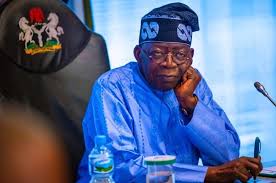

President Bola Tinubu’s intervention in the Rivers State crisis has bought peace, but at what cost to democracy?
For months, Governor Siminalayi Fubara and his predecessor, Federal Capital Territory Minister Nyesom Wike, locked horns in a battle that nearly collapsed governance in Rivers. Impeachment threats, defections, and violence pushed the state to the brink. Tinubu’s Abuja peace deal ended the standoff. On the surface, it was a win for stability.

But the fine print tells a different story. Reports suggest Governor Fubara agreed to finish his term but not contest in 2027. If true, that condition is a dangerous precedent. The Nigerian Constitution gives every qualified citizen the right to seek re-election. That right belongs to Fubara — and to Rivers voters who should decide at the ballot box, not in the corridors of the Villa.
This is more than a Rivers problem. It signals creeping presidential overreach into state politics, reducing governors to tenants of Abuja’s goodwill. It also exposes the failure of party democracy. Instead of resolving its quarrels internally, the PDP ceded control to the Presidency. When candidacies can be negotiated away behind closed doors, citizens are sidelined, and politics becomes a game of elites.
Yes, Rivers needed calm. As Nigeria’s oil heartland, instability there carries national risks. But peace that tramples constitutional rights is fragile. It erodes public trust, weakens institutions, and emboldens godfather politics.
Tinubu deserves credit for averting chaos. But Nigeria must draw the line: disputes should be settled in courts, legislatures, and party primaries, not through presidential bargains that dictate who may run. Democracy is about the people’s choice. And peace without principle is no peace at all.
Facebook Comments

GIPHY App Key not set. Please check settings