

Nearly two years after a Federal High Court delivered a landmark judgment ordering the Federal Government to investigate, prosecute and punish killers of journalists, the same government has returned, not with compliance, but with excuses.
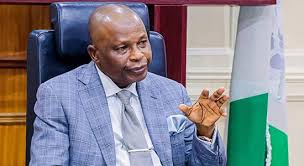
In a move that has stunned media rights advocates, the Attorney-General of the Federation (AGF) Mr. Olu Fagbemi (SAN) has asked the Court of Appeal in Abuja to grant the Federal Government an extension of time to appeal the judgment of Justice Inyang Ekwo, long after the law’s window for appeal slammed shut.
The motion, filed on December 23, 2025, seeks to resurrect an appeal that the government failed to lodge within the three months clearly prescribed by Section 24(2)(a) of the Court of Appeal Act, 2004. Justice Ekwo’s judgment was delivered on February 16, 2024. The law is unambiguous. The delay, now stretching beyond 22 months, is not.
Rather than explain its prolonged inertia, the Federal Government merely told the court it is “desirous to appeal” and needs more time. No compelling reason. No extraordinary circumstance. Just a plea for indulgence.
The judgment the government now wants to challenge arose from a suit filed by Media Rights Agenda (MRA), through human rights lawyer, Mrs. Mojirayo Ogunlana-Nkanga, after decades of unresolved murders of journalists whose only crime was doing their jobs. The suit catalogued a grim roll call of fallen media professionals— Dele Giwa, Bolade Fasasi, Edward Ayo-Ojo, Omololu Falobi, Godwin Agbroko, Abayomi Ogundeji, Edo Sule-Ugbagwu, names that have become symbols of Nigeria’s culture of impunity.
Justice Ekwo was emphatic. Journalism, he ruled, is a constitutional profession rooted in the freedoms guaranteed under Section 39 of the 1999 Constitution. The Federal Government, he held, had failed in its duty to protect journalists and to bring their killers to justice. He granted all the reliefs sought by MRA and ordered the government to prevent attacks, prosecute perpetrators, compensate victims, and build the capacity of security agencies to protect media practitioners.
Instead of obeying those orders, the government slept on its rights and on its responsibilities.
Now, through affidavits and legal gymnastics, officials of the Federal Ministry of Justice claim the proposed grounds of appeal are “recondite” and that errors were “discovered” upon reviewing the judgment. What those errors are, and why it took nearly two years to discover them, remain unanswered.
To critics, the belated appeal smacks less of legal diligence and more of institutional resistance to accountability, an attempt to delay justice, dilute a precedent, and shield a system that has consistently failed journalists, both in life and in death.
As the Court of Appeal considers whether to indulge the government’s plea, one question looms large: if the state cannot obey a court order to protect journalists, investigate their murders, or even respect clear timelines set by law, what message does that send to those still risking their lives to tell Nigeria’s stories?
No date has been fixed for the hearing. For the families of murdered journalists and for press freedom in Nigeria, justice, once again, hangs in the balance.
Facebook Comments

GIPHY App Key not set. Please check settings