

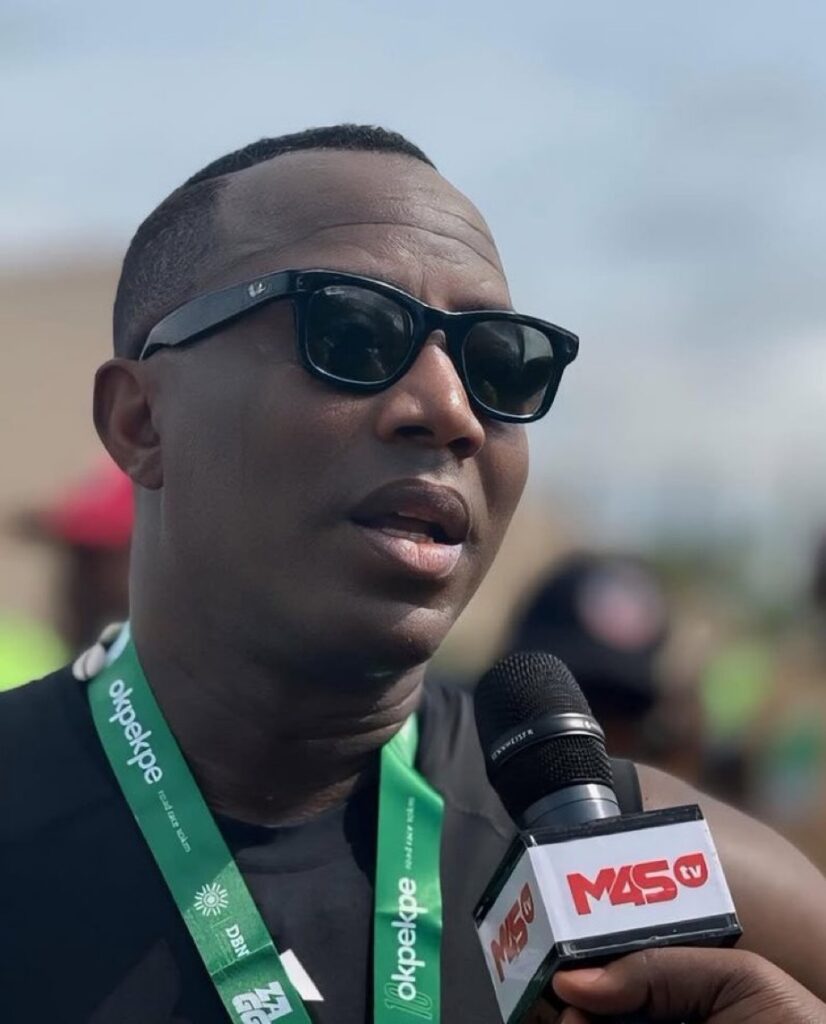
By Unstoppable Friends of Sowore
1960s–1970s: A Nation Finds Its Footing
Nigeria gained independence in 1960, but the euphoria of freedom quickly gave way to political instability, corruption, and civil strife. It was in this post-independence Nigeria, amid military coups and the Biafran War (1967–1970), that the seeds of activism would later influence young Nigerians like Omoyele Sowore. Born in the late 1970s, Sowore grew up witnessing a nation struggling with leadership failures and economic challenges—a backdrop that shaped his early sense of justice and civic responsibility.
1980s: The Formative Years
During the 1980s, Nigeria experienced severe economic decline under military rule, marked by structural adjustment programs and mass unemployment. Sowore, a bright and politically conscious youth, began to observe the widening gap between the government and the people. This era of oppression and inequality sparked his early interest in activism, social justice, and political engagement.
1990s: Awakening and Activism
Omoyele Sowore rose to prominence in the 1990s as a student activist at the University of Lagos. He became a vocal critic of military dictatorship, particularly during the regime of General Sani Abacha. His activism included organizing protests, demanding human rights, and advocating for democratic governance. In 1999, after Nigeria’s return to civilian rule, Sowore founded Sahara Reporters, a digital platform aimed at exposing corruption and giving voice to ordinary Nigerians—a revolutionary step in Nigerian media history.
2000s: Journalism as Resistance
Through Sahara Reporters, Sowore challenged government impunity and systemic corruption at both local and federal levels. His fearless reporting earned him both admiration and threats from powerful interests. During this period, Sowore’s activism evolved from street protests to digital resistance, making him one of Nigeria’s most influential voices for accountability and transparency.
2010s: Political Ambitions and Mobilization
In 2018, Sowore announced his bid for the presidency under the African Action Congress (AAC), signaling a shift from activism to formal politics. His campaign was marked by calls for youth empowerment, anti-corruption measures, and national unity. Despite limited resources, he energized young Nigerians and established himself as a symbol of resistance against entrenched political elites.
2020s: Imprisonment and International Recognition
Sowore’s continued activism has come at a personal cost. He was arrested multiple times under controversial circumstances, including his 2019 detention by the Nigerian government under the guise of national security concerns. Yet, his resolve remained unshaken. Sowore has become not only a symbol of resistance in Nigeria but also an international figure advocating for human rights, free press, and political reform.
Legacy and Continuing Struggle
From Nigeria’s independence to the present, Omoyele Sowore embodies the enduring struggle for justice, transparency, and citizen empowerment. His journey reflects the story of Nigeria itself: a nation of promise, struggle, and relentless hope. Through Sahara Reporters, protests, and political campaigns, Sowore continues to fight for the ordinary Nigerian, reminding the world that freedom without accountability is incomplete.
Struggle continues 💪💪💪
Facebook Comments

GIPHY App Key not set. Please check settings