

By Our Correspondent
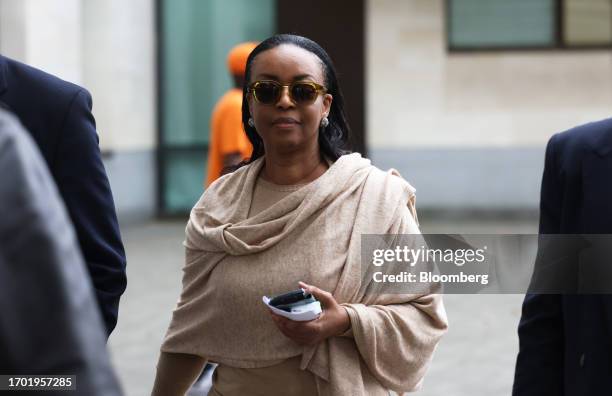
The gavel fell in Southwark Crown Court, and for the first time in eleven years, Diezani Alison-Madueke felt the cold bite of London air without the weight of a nation’s suspicion on her shoulders. After 46 grueling hours of deliberation, the jury had cleared her of all six counts of bribery, discharging the former Nigerian Minister of Petroleum Resources from the UK’s most high-profile corruption case in a decade.
Outside the courthouse, the victory was immediate. Her legal team, battle-hardened and beaming, fielded questions from a scrum of journalists. But inside, waiting for the noise to fade, Diezani penned a statement that would ripple from Lagos to London.

“Today, a decade of unrelenting and unjust vilification, condemnation, and scrutiny has finally concluded,” she wrote, her voice, conveyed through her aide, Bolouere Opukiri, trembling not with fear, but with the raw energy of vindication.
The trial had painted a lurid picture. Prosecutors from the National Crime Agency (NCA) laid out a narrative of opulence: luxury items, high-end London properties, and favors exchanged for the influence to steer multi-million-pound oil contracts. They pointed to Nigerian businessman Kolawole Aluko, who they claimed had spent millions on goods linked to the former minister.
But the defense crafted a masterstroke of procedural reality. They argued that Diezani, despite her powerful title, was a figurehead within a labyrinthine system. “Operational control,” her barristers reminded the jury, “rested with the Nigerian National Petroleum Corporation. The ministry performed oversight, not execution.”
The turning point came in the form of a written statement from former President Goodluck Jonathan. His words, dry and bureaucratic, cut through the prosecution’s drama: it was standard practice for third parties to cover expenses for ministers on official trips. It wasn’t corruption; it was logistics.
Standing alongside her in the dock were oil executive Olatimbo Ayinde and her brother, Doye Agama. All three had pleaded not guilty. All three walked free.
For Diezani, the acquittal is not an end, but a beginning. “This is not the final chapter,” her statement warned. “In due course, I shall address this difficult period in greater detail.”
For now, the woman who once held the keys to Nigeria’s oil wealth intends to do something she hasn’t done in over a decade: breathe. She has promised to embrace the freedom that was “unjustly denied” to her.
The UK case is over. But as she steps into the London dusk, the world waits to see what she will write in the next chapter of her own history.
Facebook Comments

GIPHY App Key not set. Please check settings