

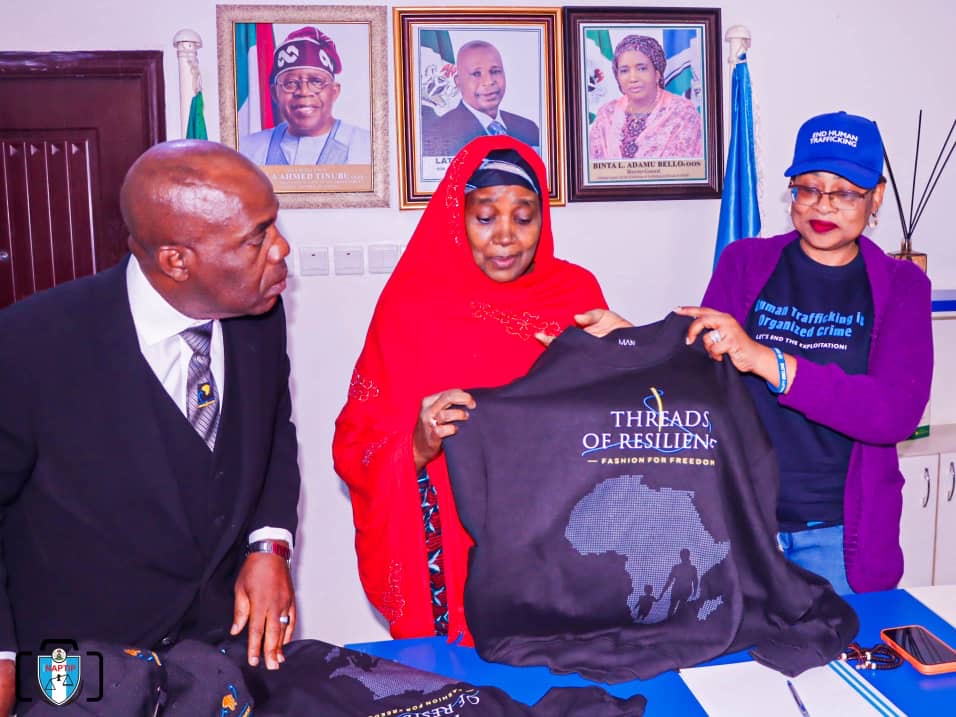

The National Agency for the Prohibition of Trafficking in Persons (NAPTIP) and Next2None Support Initiative have unveiled what they described as Africa’s first international fashion-for-social-impact mega-campaign, designed to harness fashion, cinema and sports in the global fight against human trafficking.
Tagged “Threads of Resilience: Fashion for Freedom,” the initiative is aimed at preventing exploitation, empowering vulnerable young people and restoring dignity to survivors of human trafficking through skills development, creative expression and sustainable economic opportunities.
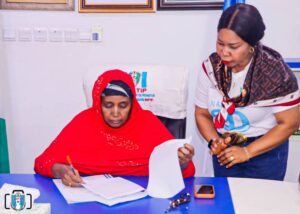
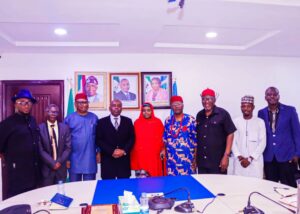
The partnership followed the signing of a Memorandum of Understanding (MoU) between NAPTIP and Next2None Support Initiative on August 27, 2026.
The agreement was signed by NAPTIP Director-General, Binta Lami Adamu Bello; Director of the agency’s Legal and Prosecution Department, Mrs Ijeoma Amugo; Director-General of Next2None Support Initiative, Mr. Sam Obu, popularly known as Chukky; and Mr. Frank Nwala.
In a statement issued on Sunday, Obu and Nwala said the initiative would operate over an eight-year period, from 2026 to 2034, with an initial target of reaching 6,000 young people annually across Nigeria.
The programme is expected to train about 1,000 participants in each of the country’s six geopolitical zones, while running throughout the year and culminating in an annual Global Fashion for Freedom event in Abuja.
The global launch of the flagship campaign is scheduled for the second quarter of 2027.
Explaining the rationale behind the initiative, Obu said the methods used by human traffickers had evolved significantly, with perpetrators increasingly exploiting digital platforms, social media, deceptive employment advertisements, fraudulent migration schemes and online relationships.
He said the campaign was therefore designed to go beyond conventional anti-trafficking interventions by addressing the poverty, unemployment and lack of opportunities that often expose young people to exploitation.
“Human trafficking is no longer just a law enforcement challenge; it is a crisis of poverty, unemployment, and lack of opportunity,” the statement quoted Obu as saying.
“‘Threads of Resilience’ addresses this by moving beyond mere rescue. We are creating a sustainable, Nigerian-led international movement that uses creativity, sports, and education to establish pathways to absolute freedom and economic dignity.”
The organisers said the programme would be anchored on three major pillars: prevention, empowerment and rebuilding.
Under the prevention component, the campaign will use fashion, school programmes, digital advocacy and community outreach to educate young people about trafficking risks, online safety and methods used by traffickers to lure victims.
The empowerment pillar will provide physical and digital training in areas including fashion design, textile production, leather making and garment care, alongside e-commerce, financial literacy, branding and other enterprise skills.
The organisers said the objective was to equip young people with marketable skills and sustainable livelihoods that could reduce their vulnerability to trafficking.
The rebuilding component will focus on survivors of trafficking, internally displaced persons and returnees, providing confidential reintegration support, vocational rehabilitation, mentorship and mental health and psychosocial services.
The initiative also plans to establish international collaborations that will position fashion as a platform for human rights advocacy.
According to the organisers, emerging designers and trafficking survivors will be given opportunities to showcase collections conveying messages of healing, resilience and freedom.
The campaign is also seeking collaborations with global luxury fashion brands, including Gucci, Balenciaga, Versace and Hugo Boss, as part of efforts to give the initiative an international reach.
Beyond fashion, the programme will partner with Nollywood and international filmmakers to produce anti-trafficking movies, documentaries and awareness skits, while providing young Nigerians with practical training in film production.
The organisers also identified sports as a major tool for grassroots mobilisation and youth engagement, saying strategic partnerships were being pursued with global sporting organisations, including FIFA, the International Handball Federation and the National Basketball Association.
These partnerships, according to the statement, would support football and handball initiatives, sports tournaments, athlete ambassador programmes and clinics targeting vulnerable young people.
NAPTIP is expected to provide governmental leadership and technical expertise while facilitating collaboration with relevant Nigerian government agencies and United Nations bodies.
Next2None, on its part, will drive implementation of the programme, backed by a Monitoring, Evaluation and Learning framework designed to track outcomes including employment rates, survivor rehabilitation and funds mobilised.
The organisers said the implementation roadmap had entered a new phase involving diplomatic outreach and stakeholder mobilisation.
They consequently appealed to corporate organisations, international development agencies, foundations, philanthropists, brand ambassadors, volunteers and foreign missions to support the campaign.
“We invite corporate organizations, international development grants, foundations, philanthropists, brand ambassadors, volunteers and foreign missions to join hands with us,” the statement said.
“Together, we can use creativity to educate, skills to empower, and partnerships to rebuild lives.”
Facebook Comments

GIPHY App Key not set. Please check settings