

Food For Thought
By Aderemi Ogunpitan
When Power Enters The Studio, How Much Respect Does The Office Deserve?
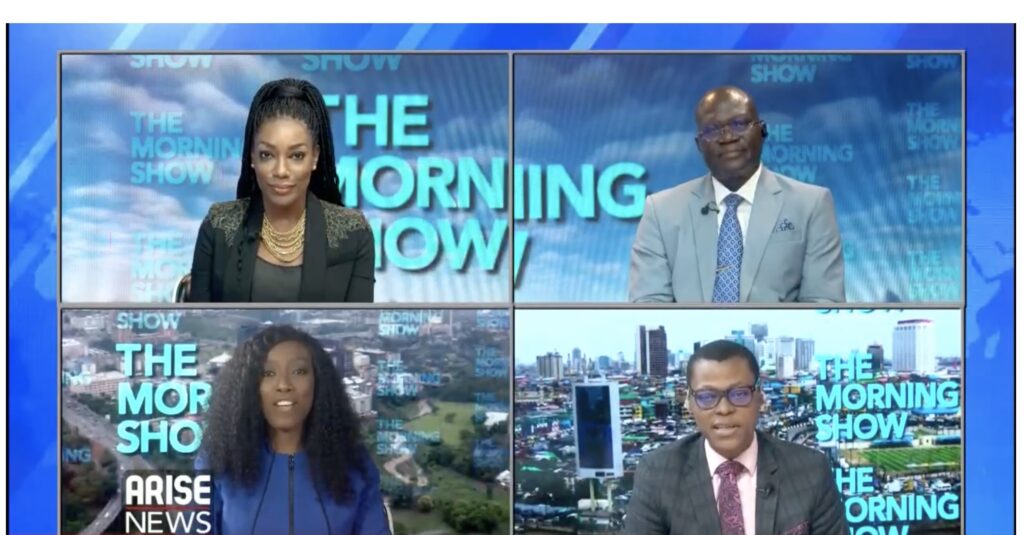
Perhaps the Rufai Oseni debate is really not about Rufai. Perhaps it is about Nigerians and what we expect a journalist to do when power sits across the table.

Long before ARISE TV, confrontational interviewing was already part of serious journalism. Britain’s Robin Day helped end an era when politicians expected journalists to behave like respectful schoolboys before the headmaster.
Mike Wallace confronted presidents and powerful businessmen on 60 Minutes.
Jeremy Paxman became famous for refusing to accept political grammar as an answer.
John Humphrys interrogated politicians relentlessly.
Stephen Sackur turned HARDtalk into intellectual combat.
Andrew Neil came armed with facts, while Mehdi Hasan perfected the modern combination of research, interruption and relentless follow-up.
None escaped criticism. They were called rude, arrogant, biased, disrespectful and unnecessarily combative. Sound familiar?
Then place Rufai Oseni inside Nigeria.
Here, authority traditionally comes with considerable ceremony. Age demands respect. Titles matter. Governors become “Your Excellency.” Senators become “Distinguished.” Traditional rulers must be approached carefully. Successful businessmen become “Chief.”
Sometimes our journalism unconsciously carries the same culture into the studio.
So when an interviewer interrupts a powerful guest, rejects an evasive answer or says, essentially, “Sir, that is not what I asked you,” Nigerians divide quickly. One side sees courage. Another sees disrespect.
Both sides deserve consideration.
Confrontation alone does not make good journalism. Shouting certainly doesn’t. A journalist can become so determined to win the argument that the interview becomes about the interviewer.
Equally, excessive politeness can turn journalism into public relations with studio lights.
The question therefore shouldn’t be whether Rufai is too confrontational or whether politicians deserve confrontation.
Ask something harder:
Did the confrontation reveal something the public needed to know?
If persistence exposes contradiction, misinformation, incompetence or evasion, journalism has done its job.
If interviewer and guest merely exchange insults while social media waits for the knockout clip, we have produced entertainment.
Rufai didn’t invent adversarial journalism. Nigeria is simply negotiating its own version of a much older argument:
When power enters the studio, how much respect does the office deserve, and how much accountability does the citizen deserve?
Facebook Comments

GIPHY App Key not set. Please check settings