

Court battle over redacted FBI, DEA records enters final phase as Nigerian leader intervenes in civil case
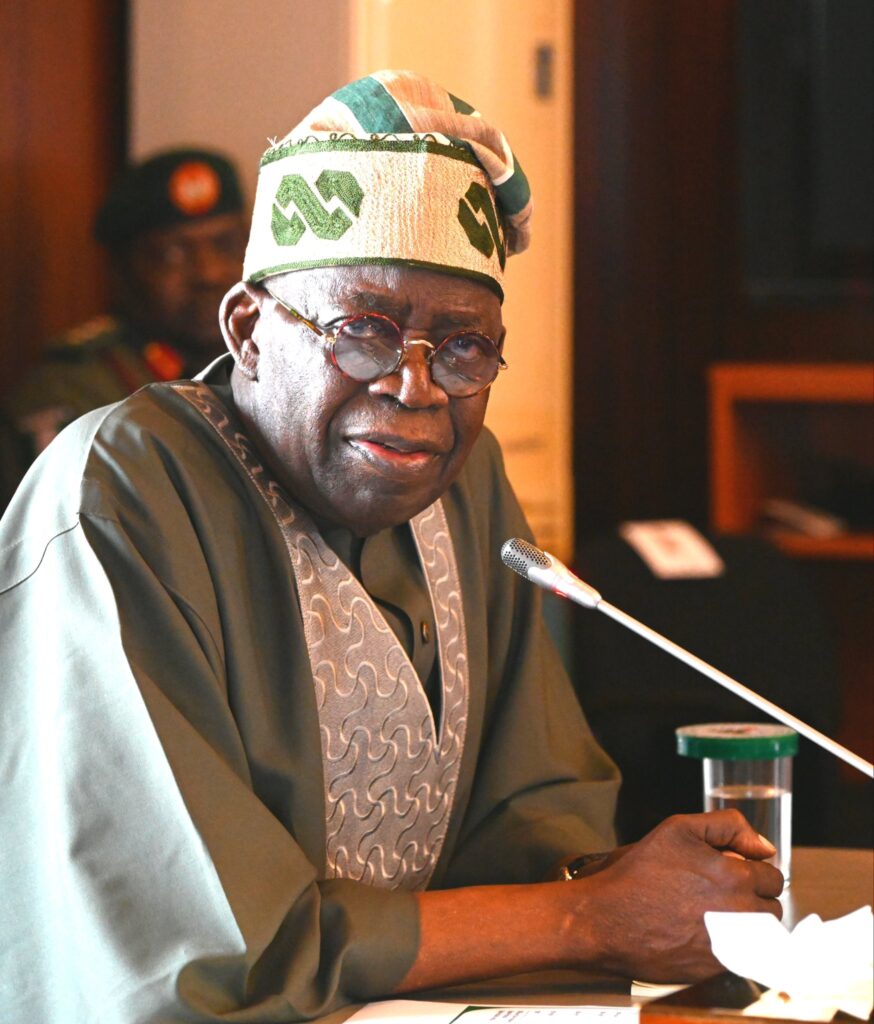
ABUJA, Nigeria – The Nigerian Presidency issued an urgent clarification Thursday regarding an ongoing legal case in the United States, emphasizing that President Bola Ahmed Tinubu is not facing criminal charges in Washington, D.C., despite widespread speculation.
In a detailed statement from Special Adviser Bayo Onanuga, the government moved to counter what it described as “partisan speculation” surrounding the Freedom of Information Act (FOIA) dispute, now in its third year before the U.S. District Court for the District of Columbia.
“The matter is a civil records-disclosure dispute under the United States Freedom of Information Act,” Onanuga stated. “It is not a criminal case against President Bola Ahmed Tinubu, nor has the court found him guilty of any criminal wrongdoing.”
Origins of the dispute
The case traces back to 2022, when American activist Aaron Greenspan — whom the Presidency identified as an associate of Nigerian opposition figures David Hundeyin and former Vice President Atiku Abubakar — filed FOIA requests with multiple U.S. government agencies seeking records related to Tinubu.
Greenspan subsequently filed Civil Action No. 23-1816 in 2023, prompting the court to permit President Tinubu to participate as an intervenor.
The Presidency noted that the legal battle comes 23 years after the American Consulate in Lagos confirmed in a February 2003 letter that an FBI records check found “no criminal arrest records, wants, or warrants” for Tinubu, who was then Governor of Lagos State.
The ‘Glomar defense’ and redactions
During proceedings, several U.S. agencies invoked the “Glomar defense” — a standard legal position where agencies neither confirm nor deny the existence of records. This defense secured summary judgment in favor of the CIA, State Department, Treasury Department, and IRS, removing them from the case.
However, the FBI and DEA produced 399 pages of records, with significant portions redacted under statutory exemptions. The plaintiff has challenged these redactions, while federal agencies have defended them citing grand jury secrecy, attorney-client privilege, law enforcement sensitivities, and personal privacy protections.
President Tinubu, acting on legal advice, has also asserted privacy rights under FOIA Exemption 7(C).
Legal timeline and next steps
The plaintiff faces a September 11, 2026, deadline to file opposition and reply briefs. The FBI, DEA, and President Tinubu as intervenor have until September 18 to respond.
“The release or withholding of records under FOIA does not, by itself, establish criminal liability,” Onanuga stressed. “The case concerns access to government records and the proper application of statutory exemptions.”
Rebuke of ‘political commentary’
The Presidency took aim at recent comments by Mr. Karl von Batten, whom it described as an agent of Atiku Abubakar, saying his portrayal of himself and his client as central to the proceedings was inaccurate, as neither is a party to the case.
“This litigation is a civil records-disclosure dispute under FOIA,” the statement reiterated. “It does not constitute a criminal charge, trial, or judicial finding against President Tinubu.”
Judge Beryl A. Howell of the U.S. District Court will ultimately determine the outcome “based on the evidence, applicable law, and the parties’ arguments, not the wishful preference of Alhaji Atiku Abubakar or his agent,” Onanuga added.
The Presidency urged Nigerian media and the public to “distinguish verified court proceedings from partisan speculation” as the case moves toward its September deadline.
Facebook Comments

GIPHY App Key not set. Please check settings