

By Babafemi Ojudu
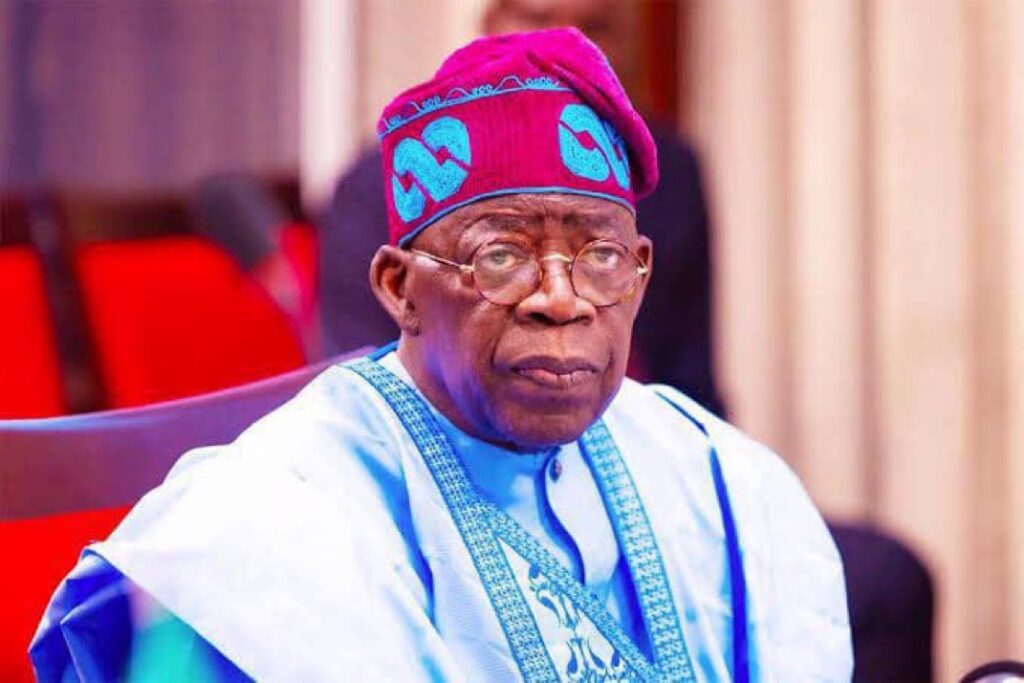
I was pleased to learn that President Bola Ahmed Tinubu had directed the Economic and Financial Crimes Commission to return to court, seek the vacation of the order freezing the accounts of the Osun State Government and discontinue the action.
When news of the freezing order first broke, I was flabbergasted. I immediately posted a short comment on social media, asking how people who had once suffered the misuse of federal power could contemplate inflicting the same indignity on others.

President Tinubu himself endured considerable harassment under previous administrations. There was a time when his security aides were abruptly withdrawn and transferred to Sokoto and Katsina. To retain their services, he reportedly had to persuade them to resign from government employment and become his personal employees. He was also prosecuted over alleged violations of laws relating to foreign bank accounts.
Much happened to him and his household under the Obasanjo and Jonathan administrations, some of which I witnessed firsthand. Watching him endure all manner of indignities in those years, I often felt sorry for him.
Whatever one’s political persuasion, those experiences should teach an enduring lesson: power is transient, and the instruments used to torment political opponents today may be turned against their wielders tomorrow.
Those who have suffered injustice should be the last to reproduce it.
That was why it was both embarrassing and inexplicable to see a government led by someone who had experienced the excesses of federal power appearing to travel the same road. Freezing the accounts of a state government only days before a governorship election was bound to raise suspicions of political interference. Whatever the stated justification, the timing was profoundly damaging.
Thankfully, the President intervened and directed that the action be reversed. Even more striking was the fact that he personally signed the statement announcing his decision.
That is unusual. Presidential statements are ordinarily issued through designated aides. His decision to sign this one himself must therefore have been deliberate.
Was it intended to underscore the gravity of the matter and leave no room for ambiguity? Was it an act of personal responsibility for correcting an action he described as “deeply embarrassing”? Or did he feel that the normal channels of presidential communication could not adequately convey the seriousness of his position?
Some have suggested that the President knew about the action but did not anticipate the public opprobrium it would bring upon him and his government. Others believe that the administration detected a significant shift in public sympathy towards the Osun State governor and hurriedly retreated to avoid the electoral consequences. These remain conjectures, but they reflect the atmosphere of suspicion created by the EFCC’s action and its extraordinarily poor timing.
This is the second such retreat within a matter of days. The barrage of criticism directed at the Catholic bishops by presidential officials following their visit to the Villa was subsequently moderated by the Secretary to the Government of the Federation, who reaffirmed the government’s respect for the Catholic Church and expressed a desire for stronger engagement.
To some political observers, these reversals suggest belated regret and a growing awareness of the electoral consequences of needless confrontation. They also raise questions about coordination within the government: are these officials acting on presidential instructions, anticipating what they think the President wants or simply speaking and acting without sufficient judgment?
The intervention in the Osun debacle resolves the immediate problem, but it raises equally important questions.
Who initiated the action against the Osun State Government? Who authorised the EFCC to seek such a sweeping order only days before an election? Were the political, economic and democratic implications considered—particularly when one of the affected accounts was reportedly used to pay workers’ salaries?
The President stated that he had no prior knowledge of the action and had not yet been fully apprised of the facts. How could a federal agency take a step with such grave consequences without anticipating the damage it could do to public confidence in both the Federal Government and the electoral process?
Was it simply an error of judgement by the EFCC? Was it the action of overzealous officials seeking to please perceived political interests? Was it recommended by people who failed to appreciate its consequences? Or was it the handiwork of fifth columnists determined to embarrass the President and portray his administration as willing to deploy state institutions against political opponents?
An anti-corruption investigation may well be legitimate. However, when such dramatic enforcement action is taken only days before an election, its timing becomes inseparable from its political consequences. Justice must not only be done; law-enforcement institutions must not be allowed to appear as weapons in an electoral contest.
The President deserves credit for recognising the danger and intervening quickly. Leadership is not demonstrated by never making a mistake. It is also demonstrated by recognising when something has gone wrong and acting swiftly to correct it.
On this occasion, I say: thank God—and kudos to the President.
But reversing the order should not end the matter. Nigerians deserve to know how such a damaging decision was conceived, who authorised it, what institutional safeguards failed and what measures will be taken to prevent a recurrence.
The larger lesson must not be lost: political disagreements must never be allowed to cripple governance or punish innocent citizens. Governments will come and go, but public institutions must remain fair, restrained and faithful to the Constitution.
The correction is welcome. Accountability must follow. Otherwise, the same machinery may be deployed again—perhaps at a time when no one is willing or able to stop it.
Facebook Comments

GIPHY App Key not set. Please check settings